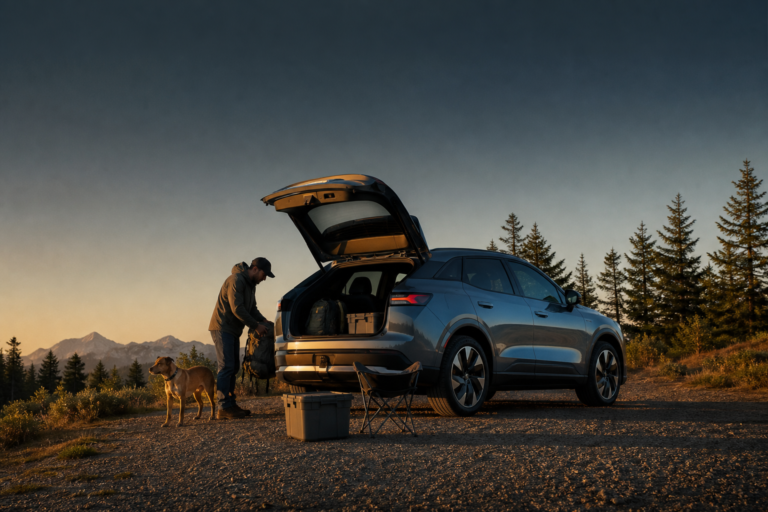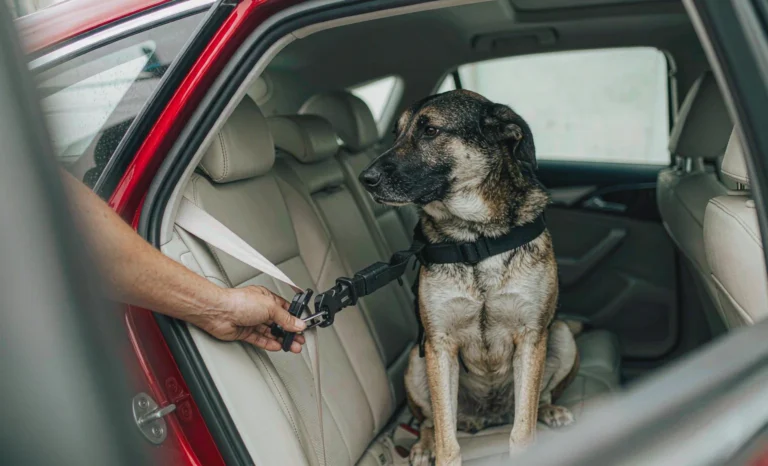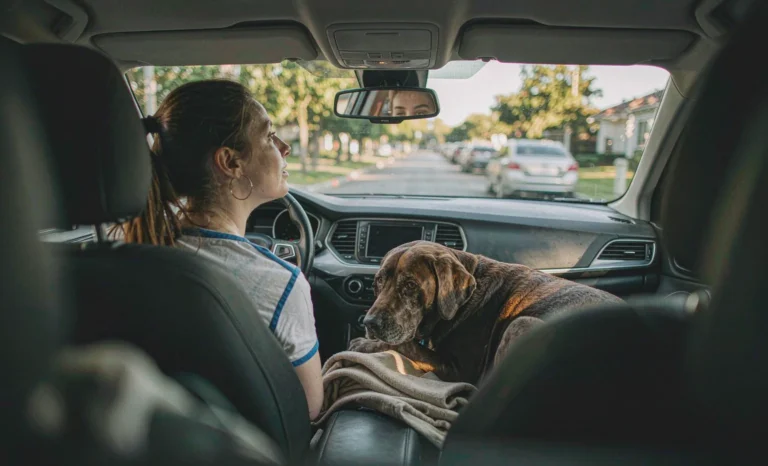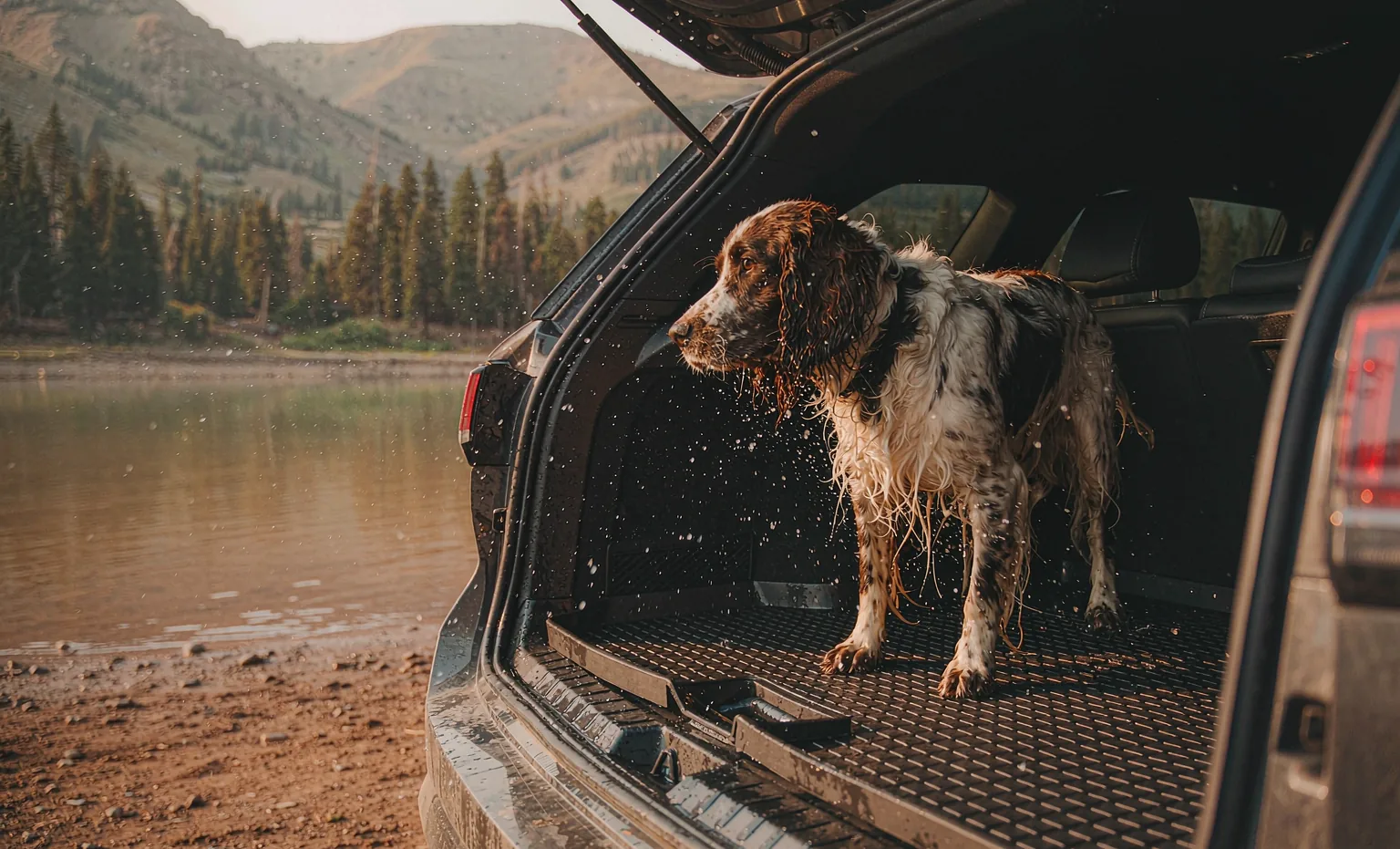
Every trip I have ever packed badly started the same way: I loaded by size instead of by order. The heavy stuff went in first and the things I needed at 4pm got buried under camping gear. Then the dog needed out, and there she was, behind a wall of coolers. Loading is not a Tetris problem. It is a sequence problem — you pack backwards from the moments you know are coming.
A truck bed can carry the practical evidence of an outdoor life: camp chairs, coolers, boots, tools, a dog’s towel, recovery equipment, and trail supplies. Its open shape is useful, but that same openness can make organization difficult. Items shift, small gear disappears under larger items, and a clean setup can become a wet or muddy one after a single outing.
Truck-bed organization works best when it begins with the truck, not with a container category. Bed length, width between wheel wells, side height, tailgate position, cover or cap, tie-down locations, and the way you load all affect what will work. A box that fits one truck may not fit another. A drawer system that is convenient for one routine may consume the flexible space another owner needs.
Define the outdoor trips first
Start with the trips you actually make. A weekend campground, a beach day, a worksite, and a day at the trailhead place different demands on a truck bed.
Describe the recurring load
Make a list of items that travel together. Include bulky pieces such as tents, coolers, bikes, camp furniture, or pet carriers, then add small items such as headlamps, bowls, leashes, gloves, maps, and repair supplies. Note what is clean, dirty, wet, fragile, valuable, or needed first.
Group items by frequency. A lighting or tool pouch may need quick access. A sleeping bag may remain packed until camp. A muddy towel should not share an unprotected space with dry clothing. This grouping reveals where a drawer, tote, bed box, divider, or hanging pocket could help.
Consider the pet’s role
If a dog joins the trip, identify where the pet travels and which bed items remain separate from that area. A truck-bed organizer is not automatically a pet enclosure, restraint, or transport solution. Choose the pet’s travel arrangement separately using appropriate guidance, then organize gear around it without blocking entry, ventilation, or required controls.
Pet supplies often create their own micro-system: water plan, bowls, food, leads, towels, waste bags, bedding, and grooming items. Keep clean and dirty items apart. Plan how the dog will move from the truck to the campsite or trail without crossing sharp, hot, wet, or unstable gear.
Understand the truck bed’s real dimensions
The headline bed length does not describe every usable inch. Measure the areas where the organizer will sit and the paths through which it will be loaded.
Measure between the wheel wells
A container may fit the overall bed width but not the narrower space between wheel wells. Measure the floor at the relevant height and note changes near the cab or tailgate. If a product rests above the wheel wells, measure the ledges or rails that support it rather than assuming the surface is level.
Check bed length and tailgate configuration
Measure with the tailgate closed and open if the organizer uses either position. A drawer or slide may extend beyond the bed, while a box may need clearance to open its lid. Check whether a bed cover, cap, rack, or tonneau changes the available height or access.
Identify tie-downs and obstructions
Record factory tie-downs, wheel-well contours, bed liners, rails, lights, steps, and any accessories already installed. Tie-down positions can influence where dividers or straps can be used. Do not assume a tie-down is appropriate for every product or load; follow the truck and organizer instructions.
Measure the loading route
A container can fit once inside and still be difficult to load through the tailgate or side opening. Measure the opening and consider the weight of the empty organizer before adding gear. If a lift or second person is needed, build that fact into your routine.
Choose an organization format by job
Different formats solve different problems. Evaluate the tradeoffs rather than treating one format as universally best.
Open totes and bins
Totes are flexible and easy to remove. They work well when you want to carry a group of items into camp or back into the house. Lids can help separate contents, but verify how the tote fits under the bed cover and how it responds to wet conditions. A tote does not automatically prevent water, dust, or shifting.
Bed boxes
A bed box can provide a defined home for tools, recovery supplies, or pet gear. Consider its dimensions, lid clearance, attachment, closure design, and access from the ground. Check whether the box consumes the area needed for long or irregularly shaped items.
Drawers and sliding systems
Drawers can make small gear easier to find, especially when the truck bed is deep. They also create a more permanent installation and may change the usable floor height. Evaluate removal, maintenance, weather exposure, and compatibility with an existing liner, cover, rack, or camping platform.
Dividers and modular inserts
Dividers help separate clean from dirty, human from pet, or cooking from repair supplies. They may suit a truck bed that already has a box or drawer. Verify that the divider remains useful when the load changes and does not create a loose edge or block a needed access point.
Sliding platforms and camping builds
A platform can create a level surface for sleeping or gear storage, but it also changes bed height and loading. Confirm that it fits the truck and any cover or cap, then plan how large equipment will enter and leave. Treat a platform as part of the truck configuration, not as a loose organizer.
Plan access in the order of use
The item you need first should not be buried under the item you need last. Organize by sequence: arrival, setup, activity, cleanup, and departure.
Arrival and setup
Place lighting, a small tool pouch, footwear, a leash, and a towel where they can be reached without unloading the entire bed. Keep the first-access area distinct from heavy cargo. If a pet comes out first, ensure its gear is not trapped under camp furniture.
During the activity
Frequently used items should remain visible or in a quick-access drawer. Less frequent supplies can go deeper or lower. Use labels and consistent locations. A system that depends on memory may fail when the truck is dark, wet, or shared by several people.
Cleanup and departure
Reserve space for dirty footwear, damp fabric, and trash that must be carried out. Use washable or removable bags according to the product’s instructions. Before driving home, check that lids are closed, loose gear is contained, and the tailgate and cover can operate normally.
Think about weather and exposure
A truck bed is exposed to weather unless another system provides coverage. Even with a cover or cap, dust, temperature, condensation, and rain may affect contents. Read storage guidance for every item, especially food, electronics, chemicals, and pet supplies.
Separate weather-sensitive contents
Keep clothing, bedding, electronics, and paper materials in containers suited to expected conditions. Do not call a box waterproof unless current product information makes that claim and the design supports it. Seams, hinges, lids, and openings can change real-world behavior.
Manage wet gear deliberately
Wet boots and towels need airflow or a planned drying process. Sealing damp material in a closed container can create odors and damage. Use a designated bag for the drive home, then remove and dry the contents promptly.
Account for heat and cold
A parked truck can experience conditions unsuitable for food, medicines, batteries, electronics, adhesives, and some materials. Follow each item’s storage instructions. Pet care planning should include access to appropriate water, shade, and supervision; an organizer cannot solve environmental needs.
Consider load separation and movement
Outdoor equipment can be hard, sharp, dirty, or heavy. Keep it separated from soft pet supplies and human essentials. Use containers, dividers, or attachment methods intended for the truck and product, and do not exceed any stated limits.
A divider can prevent small items from disappearing, but it does not automatically restrain a heavy object. A lid can contain contents inside a box, but the box itself may still need an appropriate installation. Follow the manufacturer’s instructions and the vehicle manual. If a load behaves unexpectedly during a parked test, change the arrangement before driving.
Build a two-layer system: permanent and removable
Many truck owners benefit from a permanent base plus removable modules. The base might be a liner, platform, drawer, or installed box that fits the truck. Removable modules might include pet care, camp kitchen, clothing, recovery, or cleanup supplies.
This arrangement supports multiple roles. The truck can carry work material during the week and outdoor gear on the weekend without every item staying in place. It also makes cleaning easier because the modules can be removed and inspected. Keep the permanent layer compatible with any cover, rack, or cap that you use.
Plan capacity around real trips
Capacity is not only a number printed on a product page. It is the amount of useful, reachable space left after the truck’s shape, covers, dividers, and daily load are considered. For an outdoor trip, separate the load into three categories: items that must stay dry, items that can tolerate ordinary exposure, and items that are expected to become dirty or wet. Assign each category a zone before selecting an organizer.
Reserve space for irregular items
Tents, paddles, camp chairs, leashes, and recovery equipment rarely stack like identical boxes. Leave a flexible zone for long, soft, or awkwardly shaped items. A system that fills every corner with rigid containers may look orderly but make the next trip harder to pack. Measure the organizer with lids, handles, rails, and dividers installed, not only the empty box dimensions.
Plan for the return trip
The return load is often different from the departure load. Bedding may be damp, clothing may be dirty, and food containers may be empty. Reserve a bag or compartment for items that need isolation on the drive home. If the truck is shared with a pet, keep the return-trip mess away from bedding, bowls, and clean towels.
Use a “first out, last in” rule
Pack the items needed first closest to the tailgate or in a dedicated quick-access drawer. Load bulky or late-use items afterward. This simple rule works especially well when the truck bed has multiple layers, but it still requires a parked test: open the cover, tailgate, or drawer and confirm that the intended route is clear.
Evaluate fitment and daily friction
When comparing products, ask more than “Will it fit?” Ask whether it will remain useful after a month of real trips.
- Can one person load and unload it using the available opening?
- Does it fit between the wheel wells or on the intended ledges?
- Does it clear the bed cover, cap, rack, or tailgate?
- Can the lid, drawer, or door open in the parked locations you use?
- Does it leave room for irregular or oversized items?
- How does it interact with the bed liner and tie-downs?
- Can wet or dirty items be separated and removed?
- Does it add a cleaning or maintenance task you will actually perform?
- What happens when the pet, passengers, or another activity changes the load?
A technically compatible organizer that creates daily friction may not be the best choice.
Common truck-bed organization mistakes
Buying by bed length alone
Bed length does not account for wheel wells, cover height, opening width, or accessories. Better approach: measure the specific installation zone and loading route.
Assuming a cover makes every container weatherproof
A cover changes exposure but may not seal every edge or protect every item. Better approach: evaluate the full combination and store sensitive contents appropriately.
Putting quick-access supplies underneath heavy gear
This turns a small stop into a full unload. Better approach: organize by sequence of use and keep first-access supplies separate.
Mixing pet and repair supplies
Sharp tools, chemicals, and dirty equipment should not share an unmarked container with food, bedding, or bowls. Better approach: use clear separation and labels.
Treating a loose box as a fixed load system
An organizer may slide, tip, or open depending on its design and the surface below it. Better approach: follow attachment guidance, use suitable containment, and test the loaded setup while parked.
A practical comparison worksheet
Create one row for each organizer and one column for each verified criterion: dimensions, opening clearance, cover compatibility, material and care, attachment, weather information, access, modularity, removal, and stated limits. Add a note for the load it serves: daily pet gear, camp kitchen, wet equipment, or tools.
Mark unknowns clearly. A blank answer is a prompt to find current information, not a reason to assume compatibility. If you ask a seller a fitment question, provide the truck’s year, configuration, bed measurements, installed accessories, and intended use.
Check the complete configuration before driving
Once the organizer is installed, load it as you would for an actual trip. Include the cover, rack, cap, liner, pet equipment, and the heaviest routine items. Close and open the tailgate and any compartments. Check that no item presses against a latch, light, seal, or moving panel. Confirm that the arrangement follows the instructions and does not exceed stated limits.
This test is not a substitute for a manufacturer’s fitment confirmation or the vehicle manual. It is a practical way to catch daily-access problems before the truck is far from home. If the setup behaves differently when loaded than when empty, revise the arrangement rather than relying on an assumption.
JustForAuto and the dog-first outdoor routine
Truck-bed organization should make outdoor travel calmer, not turn the bed into an inaccessible warehouse. Start with your trips, measure the truck, choose the format that suits your load, separate wet and dirty items, and test access with the vehicle fully configured. Keep pet travel planning distinct from cargo storage, and treat every product claim according to the current instructions.
Frequently asked questions
How do I choose a truck-bed organizer?
Start with the recurring load and the truck’s actual measurements. Compare totes, boxes, drawers, dividers, or platforms by access, fitment, weather exposure, attachment, removal, and cleaning—not just capacity.
Does my truck bed length tell me which box will fit?
No. Width between wheel wells, bed height, tailgate opening, cover clearance, installed accessories, and lid or drawer movement also matter. Measure the installation area and loading route.
Can I store pet food in a truck-bed organizer?
Follow the food’s storage guidance and account for temperature, moisture, contamination, and the length of storage. Do not assume a container or truck cover makes conditions suitable.
Is a truck-bed organizer a pet restraint?
No. An organizer is intended for cargo organization unless its current instructions specifically state another intended use. Use an appropriate pet travel arrangement and follow relevant guidance.
How can I keep wet camping gear from causing odors?
Separate wet items in a suitable temporary bag or container, avoid sealing damp fabric for extended periods, and remove and dry everything promptly after the trip.
Organize the bed around the adventure
The truck bed is most useful when every zone has a reason. Measure the truck, assign items by frequency and condition, protect access to the first things you need, and make the system removable enough to reset. With that foundation, outdoor travel can feel less like excavation and more like a smooth transition from road to trail.
Build a reset routine that protects the next trip
Outdoor organization is not finished when the truck is loaded. A dependable system also makes it easier to return home, remove wet or dirty items, check what was used, and prepare for the next departure. Keep a simple reset sequence: separate gear that needs drying, return durable containers to their normal locations, wipe the areas that collected dust or mud, and note anything that needs repair or replacement before the next outing. If a dog traveled with you, include towels, bowls, leads, and bedding in the same reset plan rather than treating them as last-minute additions. This routine does not require a fixed product list; it requires clear zones and a repeatable order. Over time, the best truck-bed setup becomes less about adding more hardware and more about reducing the small decisions that slow down a useful outdoor day.
Should the dog ride in the cargo area when it is full of gear?
Only if there is a clear, ventilated space left. A dog wedged behind a cooler is both uncomfortable and, in a hard stop, dangerous. If the cargo area is genuinely full, the dog rides in the back seat on a cover and the gear takes the cargo.
What belongs closest to the tailgate?
The things you reach for before you are fully unpacked: water, bowl, leash, towel, and whatever your dog needs in the first ten minutes out of the car. Everything else can live deeper.
Read next: the Gear Lab · building a vehicle kit · Drive Together. Start from Drive Together for the everyday rides, or the Gear Lab to compare before you buy.