- JustForAuto home — link the opening vehicle-first lifestyle reference.
- JustForAuto blog — link to future maintenance and travel articles.
- Contact JustForAuto — link for questions about current product information.
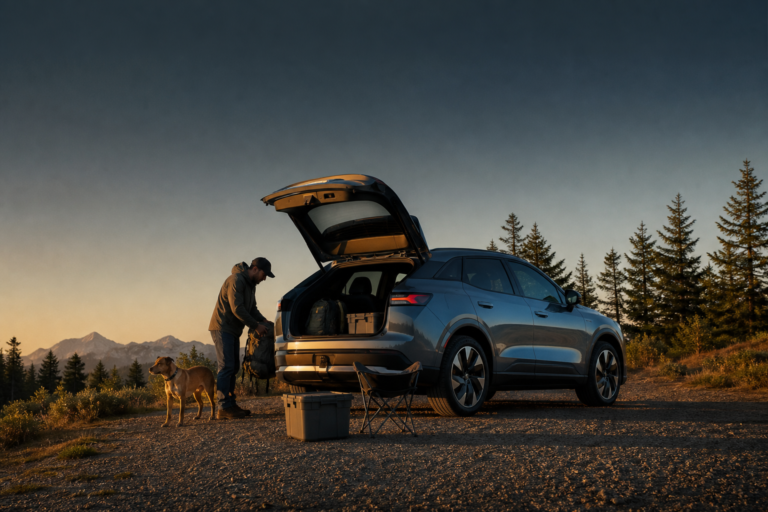
A vehicle can be a commuter on Monday, a pet shuttle on Tuesday, and the starting point for a weekend outside. The challenge is not carrying everything. It is making the right things easy to find, easy to clean, and easy to remove when the vehicle needs to return to another role.
A vehicle lifestyle kit is a deliberate collection of supplies arranged around the routines you actually have. It might include pet-care basics, personal comfort items, light cleanup supplies, weather-ready layers, and a small set of vehicle-use tools. It should not become a mystery box in the cargo area. The goal is a flexible system that respects the vehicle’s fitment, the pet’s needs, the human occupants, and the limits of the available space.
JustForAuto’s vehicle-first perspective starts with the car as the center of everyday movement. From that point, the kit supports real transitions: leaving home, stopping for an errand, reaching a trailhead, cleaning up after a wet walk, or returning from a long drive. This guide explains how to design such a kit without inventing a universal checklist or making promises about particular products.
Start with your actual vehicle lifestyle
Before purchasing containers or accessories, describe what your vehicle does during a normal week. A kit for a city apartment and a kit for a rural property may share a few items but organize them differently. A compact car used for short dog walks has different space constraints from a pickup used for camping equipment. Neither is automatically better; the system simply has to match the use.
List recurring scenarios
Write down the five or six situations that happen most often. Examples include a morning commute with a dog, trips to training, visits to a veterinarian, muddy park walks, grocery stops, beach days, or overnight travel. Include the situations that cause frustration. If towels always end up on the seat, or a leash disappears under luggage, those problems should shape the kit.
Separate routine needs from exceptional needs. A first-aid supply intended for occasional use should not take the same access position as a leash used twice a day. A camping stove may travel only on certain weekends, while waste bags and water may be daily items. This distinction keeps the vehicle usable rather than permanently filled.
Identify who uses the space
The kit must leave room for humans. Note whether a child, passenger, or second pet usually travels with you. Record how many seats need to remain available and whether the cargo area carries work equipment, sports gear, groceries, or mobility aids. A kit that works only when the vehicle is empty is not a practical everyday kit.
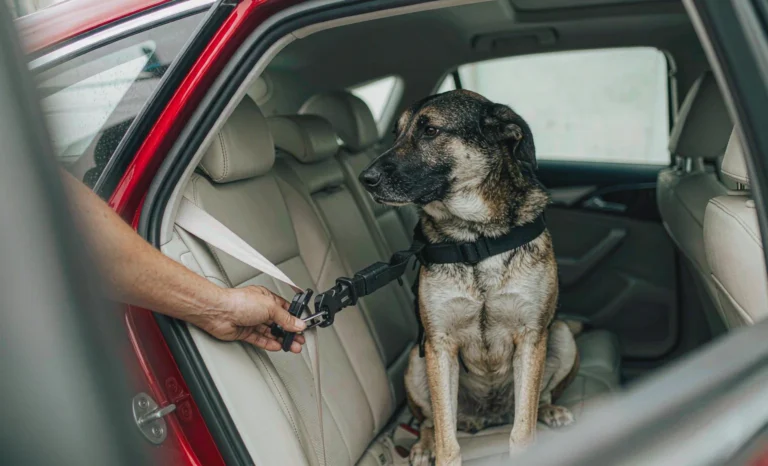
Also consider how the pet enters and settles. A carrier, a rear seat, and a cargo-area arrangement each have different access and cleaning needs. Choose the travel position first, then design around it. Surface protection is one layer of the system; it is not automatically a substitute for containment or a restraint.
Divide the kit into useful zones
Good organization is less about owning many items and more about giving each item a home. Use zones that reflect how you use the vehicle.
The quick-access zone
Place high-frequency items where you can reach them without unpacking the vehicle: a leash, waste bags, a small towel, water for an appropriate use, or a basic cleaning cloth. Keep this zone clear of heavy objects that could shift into it. If an item must be accessible during a stop, make sure the container can be opened without spreading loose contents across the cabin.
The pet-care zone
This zone holds less frequently used pet supplies, such as a spare lead, brush, food container for a planned trip, collapsible bowl, or a familiar comfort item. Grouping them together makes restocking easier. Label the container with words that describe the contents, not a vague label such as “miscellaneous.”
The cleanup zone
Cleanup supplies should be separated from food and soft comfort items. A useful arrangement may include waste bags, disposable or washable cloths, a spare towel, a small bag for damp fabric, and a suitable surface-cleaning product. Follow the product label for storage and use, and keep cleaning chemicals inaccessible to pets and children.
The human-comfort zone
People also need a better trip. Consider a spare layer, sun protection, simple snacks that can be stored safely, a phone charging cable that matches your device, and a reusable bag. Do not leave heat-sensitive or perishable items in the vehicle unless storage conditions are suitable. The kit should support the human without becoming a source of waste or risk.
The vehicle-support zone
A vehicle-use zone can contain items such as a flashlight, gloves, a basic tire-pressure gauge, or a tool specified for your vehicle’s documentation. The correct contents depend on the vehicle and the driver’s competence. Do not claim that a generic kit replaces scheduled maintenance, emergency services, or professional roadside help. Keep the owner’s manual and relevant vehicle information accessible according to your own storage plan.
Choose containers by task and fitment
Containers should match the area where they will live. A soft organizer may suit a rear seat or cargo corner, while a rigid bin may make sense for equipment that needs structure. The vehicle’s available dimensions matter more than a container’s marketing category.
Measure before adding storage
Measure the intended floor, seatback, door pocket, or under-floor compartment. Include the space needed to open the hatch, access a seat release, and remove the container. A box that fits only after forcing it past a trim panel is not a good fit. If the storage position changes when seats fold, record both configurations.
Avoid blocking visibility, controls, air vents, seat belts, or entry paths. Heavy items should be placed so they do not become an unpredictable load during normal driving. Follow the vehicle and organizer instructions for any attachment points, straps, or cargo systems.
Use a visible labeling system
A simple label can save more time than a more complicated organizer. Use categories such as “daily pet,” “clean,” “damp,” “camping,” or “refill.” Transparent pouches can make inventory visible, but they are not always ideal for sunlight or heat. Choose storage according to the contents and the conditions where the item will remain.
Make removal part of the design
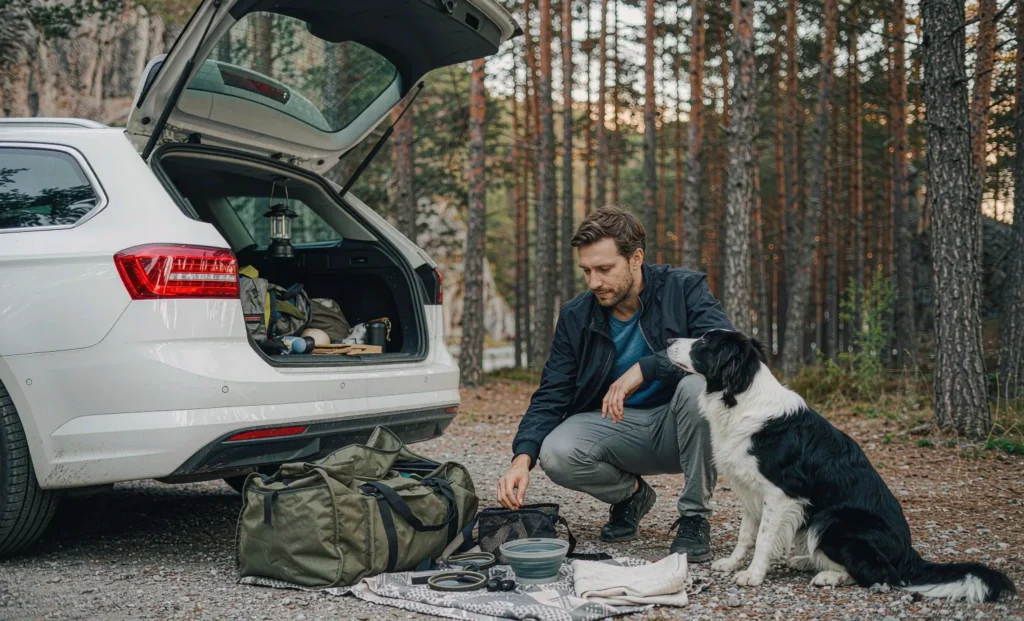
Many people use a vehicle for multiple purposes. Build the kit around grab-and-go modules rather than a permanent pile. A pet module can leave the car for restocking or cleaning. A camping module can be added only on camping days. A dirty-clothing bag can be removed at the end of a hike. Modular storage helps the vehicle change roles without a full unload every time.
Build the pet module thoughtfully
The pet module should support the specific animal and trip, not an imagined universal pet. Start with the essentials you routinely use and add backups only where a delay or mess would be genuinely inconvenient.
Everyday pet essentials
A leash or lead, waste bags, a familiar comfort object, and a towel are common examples, but your own routine determines the list. If the pet uses a prescribed item, follow the veterinarian’s directions and do not treat vehicle storage as a replacement for appropriate care. Food and water planning should account for the length and conditions of the trip.
Keep identification and contact information current in the manner you normally use. Avoid storing sensitive personal information loosely in an open organizer. If a carrier is part of the travel arrangement, keep its necessary accessories together and check that it remains easy to access.
Comfort and transitions
Pets often associate the vehicle with destinations, so predictable transitions can help. A familiar blanket, a consistent loading routine, and a clean travel surface may make the experience more manageable. Do not promise that any item will eliminate anxiety or solve behavior concerns. If travel is difficult, consult a qualified veterinarian or animal behavior professional.
Hygiene and separation
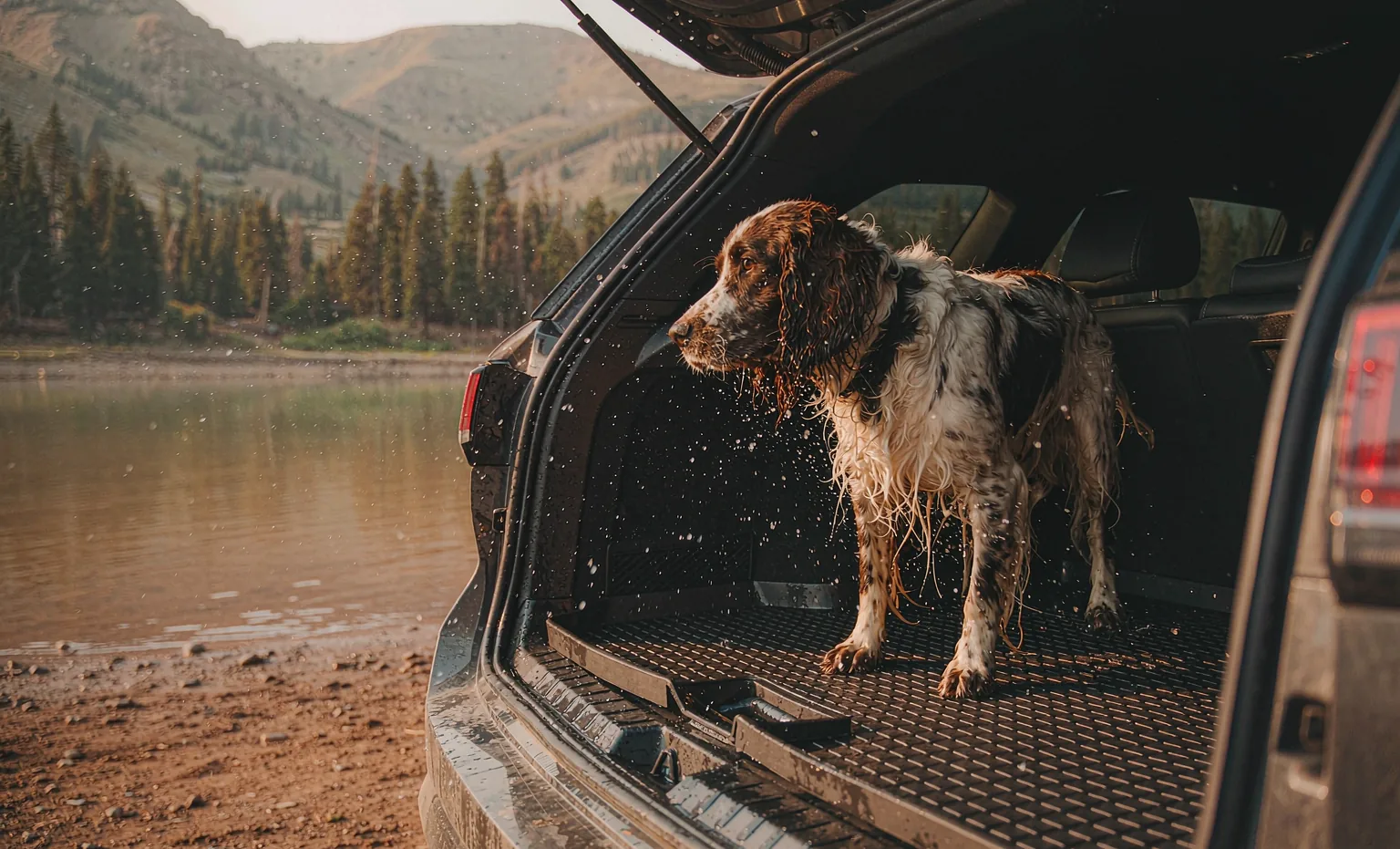
Use separate bags or compartments for clean and used fabric. A waterproof bag can contain damp items, but confirm that the contents are cool and dry enough for storage before sealing them for a long time. Clean the vehicle surface and storage containers according to their materials and instructions. Keep food away from cleaning products and waste supplies.
Add road-trip and outdoor modules only when needed
A vehicle lifestyle kit becomes most useful when it supports transitions without pretending that every outing is the same. Build add-on modules for road trips, camping, or outdoor activities.
The road-trip module
Include only what you can store safely and access during planned stops. Think about a spare layer, a book or activity for passengers, a reusable bag, charging essentials, and a small set of cleanup items. Make a rest-stop plan for pet breaks rather than assuming that a container solves every need. Follow current destination rules and veterinary guidance for pet travel.
The outdoor module
For a park or trail, the module might include a towel, brush, waste bags, a bowl, a leash suited to the activity, and a bag for dirty gear. Add personal items for the humans: footwear, layers, sun or rain protection, and a way to carry out waste. Keep sharp or heavy equipment separated from the pet’s area.
The overnight module
A longer trip may require food, medication planning, bedding, cleaning supplies, and destination-specific documents. Verify what must be packed with a veterinarian or relevant destination authority; do not rely on a generic blog checklist for legal or health requirements. Use a written inventory so that the module can be packed and removed reliably.
Create a restock and reset rhythm
Organization fails when the system is never reset. Pick a regular moment—after a weekend outing, at the end of the week, or when you refuel—to inspect the kit. Remove trash, wash reusable items, dry damp fabric, replenish consumables, and check that essential items remain where expected.
Use a two-minute departure check
Before leaving, verify the pet’s travel area, leash, water plan, phone, keys, and any destination-specific items. This is not a legal or safety certification; it is a personal routine intended to catch obvious omissions. Keep the check short enough that you will actually use it.
Track what leaves the vehicle
The items most likely to disappear are the ones that travel into the house, park, or campsite. A removable module makes this visible. Return it after cleaning or mark it on a note. If an item needs washing or drying, assign it a temporary place rather than returning it wet to a closed container.
Reassess seasonally
Weather changes the kit. Winter layers, summer shade, rain gear, and holiday travel supplies may not belong in the vehicle year-round. Heat and cold can affect products, food, electronics, and cleaning chemicals. Follow each item’s storage guidance and remove anything that should not remain in a parked vehicle.
Keep the vehicle itself in the system
A vehicle lifestyle kit should make care easier, not obscure maintenance. Leave access to the vehicle’s required controls and service points. Do not cover warning labels or place items where they interfere with pedals, visibility, airbags, seat belts, or door operation. When in doubt, consult the vehicle manual or a qualified professional.
Surface protection can help manage fur and dirt, but it should be selected for the actual surface and installed as directed. A cargo liner, seat protector, or organizer has a defined job. Combining several products can create new overlaps, folds, or blocked access points, so test the complete setup while parked.
Common kit-building mistakes
Packing for every possible emergency
A vehicle stuffed with rarely used items becomes hard to inspect and harder to unload. Better approach: separate daily essentials from occasional modules and review the latter periodically.
Buying storage before measuring
A container’s dimensions may ignore lids, handles, wheel wells, or hatch clearance. Better approach: measure the usable space and test the container in the vehicle before filling it.
Mixing clean, damp, and chemical items
This creates odors, stains, and avoidable contamination. Better approach: use separate, labeled, removable bags or compartments and follow care instructions.
Forgetting human space
A pet-friendly setup that eliminates legroom or cargo room will not last. Better approach: define the people-and-pet configuration first, then add storage around it.
Treating a checklist as a substitute for judgment
The correct contents vary by animal, trip, climate, and vehicle. Better approach: use a checklist as a reminder, not as a guarantee that every journey is covered.
A sample planning worksheet
Use these prompts to build your own system:
- What are the three trips this vehicle makes most often?
- Which pet items are used every day?
- Which supplies need quick access?
- What must stay clean and what is likely to get wet or dirty?
- How many human seats must remain available?
- Which cargo, seat, or door areas must not be blocked?
- What measurements limit the storage container?
- Which modules leave the vehicle for cleaning or restocking?
- What should never remain in a parked vehicle?
- When will the kit be reset?
Answering these questions produces a system based on your life rather than a generic gear haul.
Plan a better vehicle lifestyle with JustForAuto
A useful kit is intentionally modest, modular, and vehicle-aware. Begin with the people, pet, and vehicle you actually have. Measure the spaces, choose containers that support access, separate clean and dirty supplies, and create a reset habit that keeps the system ready.
Explore the JustForAuto home for a vehicle-first approach, visit the JustForAuto blog for more planning ideas, and use the contact page when current product details need clarification. Check all specifications and storage directions before purchase or use.
Make the kit easier to share
A vehicle lifestyle kit often serves more than one person. If a partner, friend, child, or pet sitter uses the car, organize the modules so another person can understand them without a long explanation. A short inventory card inside the main container can list what belongs there, what needs to be restocked, and which items should come out after a trip.
This is especially helpful when the vehicle changes hands during a busy week. A labeled pet module can move from the vehicle to the house for cleaning, then return to the same place. A camping module can be checked against its list before a weekend departure. Clear labels also make it easier to notice when an item is missing rather than discovering the problem at the destination.
Keep personal medical, financial, and identification information handled according to your own privacy needs. The kit should improve shared use without turning the vehicle into an open filing cabinet. Review labels and inventories whenever the household routine changes.
Frequently asked questions
What belongs in a vehicle lifestyle kit?
Start with recurring pet, human, cleanup, and vehicle-use needs. Then add trip-specific modules for camping, outdoor activities, or overnight travel. The right list depends on your vehicle, routine, climate, and pet.
Should I keep the kit in the vehicle all the time?
Keep only items suitable for the storage conditions and the trips you make. Remove heat-sensitive, perishable, damp, or valuable items as appropriate. Modular containers make it easier to bring items indoors for cleaning and restocking.
How do I keep pet supplies organized without losing cargo space?
Measure a defined storage zone, use a compact labeled container, and separate daily supplies from occasional modules. Test the arrangement with passengers and normal cargo loaded.
Is a cargo organizer enough to keep items from moving?
Do not assume that a generic organizer restrains every load. Follow the organizer and vehicle instructions, place items thoughtfully, and use only attachment methods intended for that vehicle and product.
How often should I reset the kit?
Reset it after messy outings and establish a regular weekly or seasonal review. Replenish consumables, wash fabric, dry damp items, and remove things that should not remain in a parked vehicle.
Let the kit support the journey
The best vehicle lifestyle kit is one you can explain, reach, reset, and adapt. It gives the dog’s towel a home, keeps the human’s space usable, and lets the car move from weekday routine to weekend adventure without becoming permanently overloaded. Build from real habits, respect fitment, and revise the system as your life changes.
Read next: the everyday dog kit audit · the 20-minute load-out
More from Gear Lab