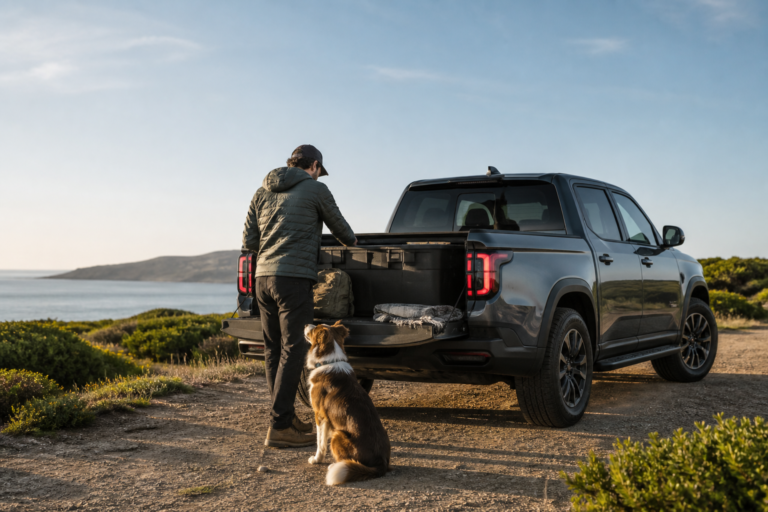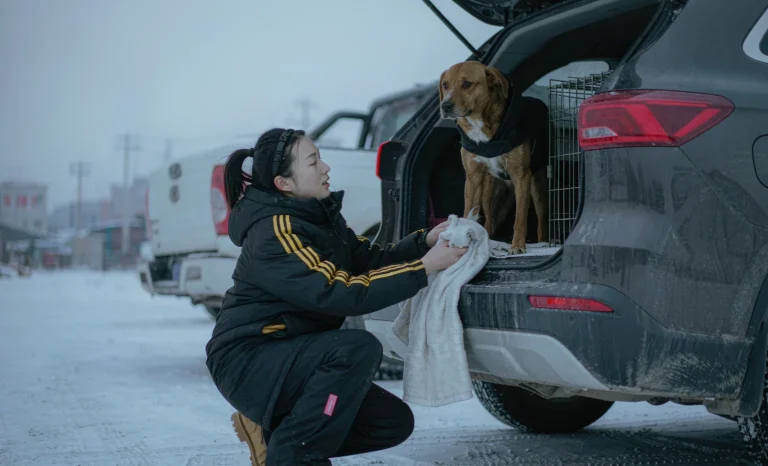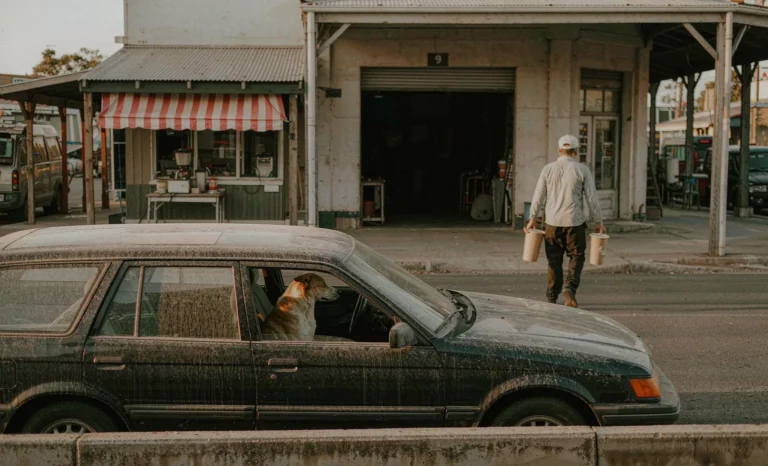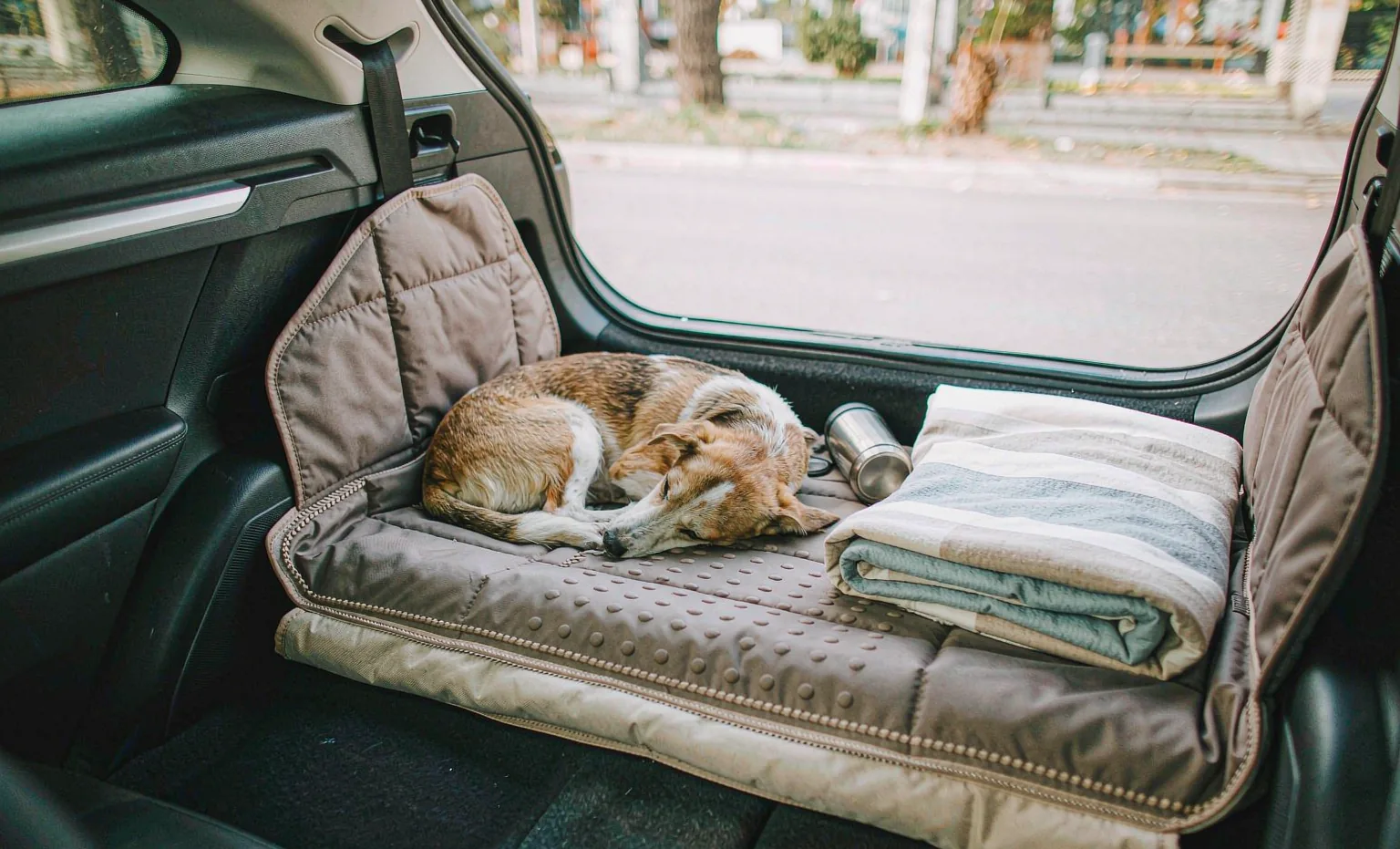
The people who drive with their dogs all the time are not more organised than you. They have simply stopped re-deciding. The leash lives in the same hook, the water lives in the same door pocket, the towel lives in the same place it always has, and nobody negotiates on a Tuesday morning. What follows is that sequence, built out for real households.
For many households, the vehicle is more than a way to get from one address to another. It is the place where a morning walk begins, where a dog waits for a visit to the park, where a cat travels to a new home, and where errands become an opportunity to spend time together. The car connects the parts of a pet owner's day that happen at home, at work, outdoors, and on the road.
That connection can feel effortless when the routine is clear. It can also become stressful when leashes disappear under a seat, muddy paws meet an unprepared cargo area, or a last-minute trip requires a frantic search for water, waste bags, and cleaning supplies. A successful human–car–pet lifestyle is not about carrying everything or turning every outing into a production. It is about designing repeatable habits around the way your household already moves.
This guide explains how to create that routine. It covers the people involved, the vehicle's role, the pet's needs, and the small systems that keep transitions smooth. The examples are intentionally adaptable: a compact car, a family SUV, a pickup, and a shared vehicle can all support a thoughtful routine. The goal is not to prescribe a universal setup. The goal is to help you build one that reflects your pet, your schedule, your vehicle, and your comfort level.
Start with the life you already live
Map the recurring trips
Before buying organizers or changing the vehicle, list the trips your household makes in a typical week. Include the short journeys that are easy to overlook: a morning drive to a trailhead, a daycare drop-off, a grooming appointment, a coffee stop, a hardware run, or a visit to friends. Then note the trips that happen less often but create the most preparation: a weekend drive, a move, an outdoor gathering, or a longer visit with family.
This simple map reveals the difference between your daily kit and your occasional kit. A daily kit should be compact and easy to reset. An occasional kit can be larger, but it should have a known storage location rather than living loose in the vehicle. When each item has a job and a home, the vehicle becomes easier to use without taking up more attention.
Identify the transitions that cause friction
A routine usually fails at a transition, not during the main activity. The difficult moments may be leaving the house, loading after a wet walk, switching drivers, returning from the groomer, or bringing a tired pet into the home. Watch what happens for one week and write down the moments that feel rushed or messy.
You may find that the issue is not a missing product. Perhaps the leash is stored too far from the door, water is forgotten because it is not included in the vehicle reset, or the back seat is arranged differently each time. Once you can name the friction point, you can choose a small adjustment instead of redesigning everything.
Give each participant a clear role
The human role: plan, observe, and reset
People set the rhythm of the routine. A driver needs to know what is ready before leaving, while another household member may be responsible for loading, checking the pet's comfort, or bringing items back inside. In a shared vehicle, write down the basic reset steps so the system does not depend on one person's memory.
The human role also includes observation. Your pet may show that a route, surface, temperature, timing, or loading arrangement is uncomfortable. Pay attention to behavior and make changes gradually. If your pet has specific medical, mobility, or travel needs, use the advice of a qualified veterinary professional rather than relying on a general lifestyle checklist.
The car role: provide a consistent base
The vehicle's role is to provide a predictable environment between destinations. That means maintaining a clear passenger area, choosing a designated pet travel zone, and keeping frequently used items within reach without obstructing the driver. The best arrangement is the one that allows the occupants to enter, settle, and leave without a complicated sequence.
Treat the vehicle as a base, not a storage closet. Items that are damp, dirty, expired, or rarely used should not accumulate there indefinitely. A small, repeatable system is easier to inspect and more pleasant for every occupant.
The pet role: communicate and participate
Pets do not follow a checklist, but they do participate in the routine. A dog may learn that a particular towel appears after a muddy walk. A cat may become more comfortable when the carrier is handled consistently. Calm loading, familiar cues, and a steady pace can make travel feel more predictable.
Avoid treating the pet's cooperation as guaranteed. Build in time for pauses, sniffing, settling, and observation. A routine should support the animal rather than force the animal to match an unrealistic schedule.
Create three practical zones
Zone one: the departure zone
The departure zone is the place where you gather everything before leaving. It may be a shelf near the door, a basket in a mudroom, or a small caddy that moves between the house and the car. Keep the items that are easy to forget together: leash or harness, waste bags, water container, towel, and any planned destination-specific item.
The departure zone should remain visually simple. If it becomes a pile of miscellaneous gear, it stops working as a prompt. Use a short checklist for the trips you make most often, and return the caddy to the same location after each outing.
Zone two: the vehicle zone
The vehicle zone is reserved for items that reasonably stay in the car. These may include a clean-up cloth, a spare waste-bag roll, a small trash solution, and an organizer for essentials. Keep the load stable and make sure nothing interferes with the driver's view, controls, pedals, or access to occupants.
Separate clean items from used items. A washable bag or closed container can help keep a damp towel from contacting other supplies until you get home. The details depend on your vehicle and your habits, but the principle is universal: make the next trip easier without creating a new mess.
Zone three: the destination zone
The destination zone is what you bring out of the vehicle once you arrive. It might be a portable water setup for a park, a mat for a friend's patio, or a towel for the return trip. Packing destination items separately makes it easier to leave the car organized and prevents unused supplies from becoming clutter.
A destination zone also supports flexibility. If your plans change, you can see which items are already packed and which need to be added. That visibility is particularly useful for households with more than one pet or more than one driver.
Build a routine around the trip cycle
Before leaving
Use a short pre-departure check rather than trying to remember every possible detail. Confirm the destination, route, weather conditions, and the pet's basic needs. Gather the items required for that specific outing, and check that the vehicle's pet area is clear and ready.
Keep the sequence consistent: prepare the pet, load the essentials, settle everyone, and then begin the journey. If your pet needs a particular type of restraint or carrier arrangement, follow the product instructions and your professional guidance. Do not improvise a setup that could distract the driver or create an unstable environment.
During the drive
The vehicle should feel calm and predictable. Keep the audio level and cabin conditions appropriate for the occupants, and avoid handing items to the driver while the vehicle is moving. If a pet becomes unsettled, prioritize a safe stopping location rather than attempting to solve the issue while driving.
For longer trips, plan pauses based on your pet's needs and the route. A plan does not need to be rigid; it simply prevents basic care from becoming an afterthought. When you know where you can stop, you can make decisions with less pressure.
On arrival
Arrival is a second transition. Take a moment to check the pet, collect the items you need, and leave the vehicle in a condition that supports the return trip. If the pet is wet or muddy, use the designated towel or cover before loading again. If a supply is used, note it immediately so it can be replaced at home.
This is also the time to notice what did not work. Was the water container difficult to access? Did a bag shift? Did you bring too much? Small observations become useful when recorded rather than forgotten.
After returning
A two-minute reset can protect the next outing. Remove waste, take used textiles inside, replenish consumables, and put destination items back in the departure zone. If the vehicle needs cleaning, do the smallest effective task now rather than allowing residue to build up.
The reset should be realistic. A system that requires a full detail after every walk will be abandoned. Focus on the high-value actions that keep the vehicle comfortable and ready.
Organize for the pet you have
Dogs with active outdoor routines
An active dog may need more frequent clean-up, more water planning, and a clearer separation between clean and dirty gear. Consider where muddy equipment goes after a trail walk and how the pet enters the vehicle. A washable surface or dedicated cargo-area arrangement may make the return trip easier, but choose based on your actual vehicle and the product's instructions.
Cats and small animals
Cats often benefit from predictability and a carrier that is handled calmly. Keep travel preparation quiet, avoid unnecessary last-minute changes, and allow the carrier to be part of a familiar routine when appropriate. Small animals may require specialized transport and environmental considerations; consult a qualified professional for needs beyond general organization.
Senior pets or pets with mobility considerations
A senior pet may need extra time, a shorter route, or a simpler entry and exit process. Observe how your pet moves on different surfaces and avoid lifting or assisting in ways you have not been taught. If mobility or pain is a concern, ask a veterinary professional for guidance before changing the routine.
Make cleanliness part of the rhythm
Cleanliness is easier when it is planned as a series of small actions. Keep a designated place for used towels, carry waste out of the vehicle promptly, and follow the care instructions for any removable or washable item. Do not assume that a material is compatible with a particular cleaning product; check the manufacturer's instructions.
A weekly inspection can be enough for many households: look under the travel zone, remove forgotten items, check for damage, and refresh the supplies you actually use. Seasonal changes may require a different arrangement, especially when rain, snow, heat, or dust affects the type of clean-up you need. The routine should adapt without losing its basic structure.
Design a shared-driver handoff
If several people use the vehicle, define what “ready” means. It might mean the pet area is clear, a basic clean-up supply is present, and the next driver knows whether anything needs replacing. Use a shared note, a labeled caddy, or a simple visual cue rather than expecting one person to provide a full briefing every time.
A handoff also matters when someone else drives your pet. Explain the pet's normal loading sequence, destination plan, and any relevant professional instructions. Keep the conversation factual and concise, and make sure the driver can focus on operating the vehicle.
Use routines to support richer experiences
The purpose of organization is not to make pet life feel mechanical. It is to create more room for the enjoyable parts: exploring a new walking route, visiting a friend, watching your pet settle after an outing, or taking a spontaneous scenic drive when everyone is ready.
Once the basics are consistent, you can create small rituals that fit your household. A Sunday vehicle reset might precede a favorite walk. A midweek check might make a grooming appointment easier. These rituals connect the human schedule, the vehicle, and the pet's experience without requiring a perfect lifestyle.
Common mistakes to avoid
Buying before observing
A product can be useful, but a purchase will not solve a problem you have not defined. Watch the routine first. You may need a better location, a replacement habit, or less gear rather than another accessory.
Keeping everything in the car
A vehicle packed with supplies is not automatically prepared. Too much gear reduces visibility, complicates cleaning, and makes it harder to find what matters. Keep only the items that serve a clear, recurring purpose.
Making the routine too strict
Pets and people have variable days. Build a framework that can bend. If your pet is tired, the weather changes, or the destination is busier than expected, modify the plan and prioritize comfort and safe driving.
Ignoring instructions
Follow the instructions supplied with carriers, restraints, covers, organizers, and cleaning materials. General lifestyle advice cannot replace product-specific guidance or professional care advice.
Improve the routine one adjustment at a time
A household does not need to redesign its whole vehicle setup in one weekend. Choose the friction point that creates the most repeated stress and make one change. If loading is difficult, move the departure caddy closer to the door. If wet gear is the problem, add a defined used-item container. If drivers cannot find supplies, reduce the number of storage locations to one or two.
Give the change enough time to become familiar, then observe the result. Did the departure take less effort? Was the pet calmer? Did the vehicle return to a ready state more easily? Keep the change if it helps, revise it if it does not, and remove it if it adds complexity.
Use a seasonal review
Your routine can change with daylight, weather, work schedules, and your pet's age. A spring outdoor routine may involve more mud and longer walks, while a winter routine may need more attention to wet clothing and shorter outings. Review the setup at natural points in the year and remove items that no longer serve a purpose.
A seasonal review is also a chance to examine wear. Look for frayed straps, damaged closures, cracked containers, or surfaces that no longer clean well. Follow the manufacturer's care and replacement instructions, and do not keep an item in service simply because it has always been there.
Keep the system welcoming
The routine should make shared time easier, not turn every trip into a compliance exercise. Let each household member suggest an improvement, and involve children in age-appropriate tasks such as returning a clean towel or checking a simple list. Keep responsibilities clear so participation feels supportive rather than confusing.
The same principle applies to the pet. Use calm cues, allow time to settle, and recognize that a successful outing may look different from one day to the next. A flexible routine can be dependable without being rigid.
FAQ
How much pet gear should stay in the vehicle?
Keep a practical base of items that are used often and are safe to store in the vehicle. Destination-specific or rarely used gear can remain at home until needed. Reassess the load regularly so preparedness does not become clutter.
Should every pet have the same travel routine?
Not necessarily. A shared household framework is helpful, but the details should reflect each pet's behavior, size, age, health, and travel experience. Follow individualized guidance from a qualified veterinary professional when needed.
How can I keep the routine manageable for a busy schedule?
Use a short departure checklist, a small caddy, and a two-minute return reset. Focus on the transitions that repeatedly cause problems. Consistency is usually more valuable than a complicated system.
What if my pet dislikes car travel?
Start with observation and seek professional guidance, especially if travel causes pronounced fear, distress, or physical symptoms. Keep trips appropriate, avoid forcing a rushed loading process, and prioritize safe driving and the pet's welfare.
How often should I reorganize the vehicle?
Inspect the setup whenever your routine, season, vehicle, or pet's needs change. A brief weekly or biweekly check can catch missing supplies and accumulated clutter before they affect a trip.
Build your own dog-first routine
A human–car–pet lifestyle does not require a perfect vehicle or an elaborate collection of gear. It starts with a clear understanding of how your household travels, followed by a few repeatable habits that make each transition calmer. Explore JustForAuto for vehicle-lifestyle ideas, review your current setup, and choose the improvements that genuinely support the way you and your pet live on the road.
How long until the routine sticks?
Two weeks of doing it the same way, roughly. Dogs pick up the sequence faster than people do — most of the failure is on the human side, usually the towel going somewhere different once.
Does this work with more than one driver?
It works better with two drivers, provided both agree on where things live. Write the four or five anchor items down once and put it somewhere both of you will actually see it.
Read next: American Drive · liner or cover · Drive Together. Start from Drive Together for the everyday rides, or the Gear Lab to compare before you buy.