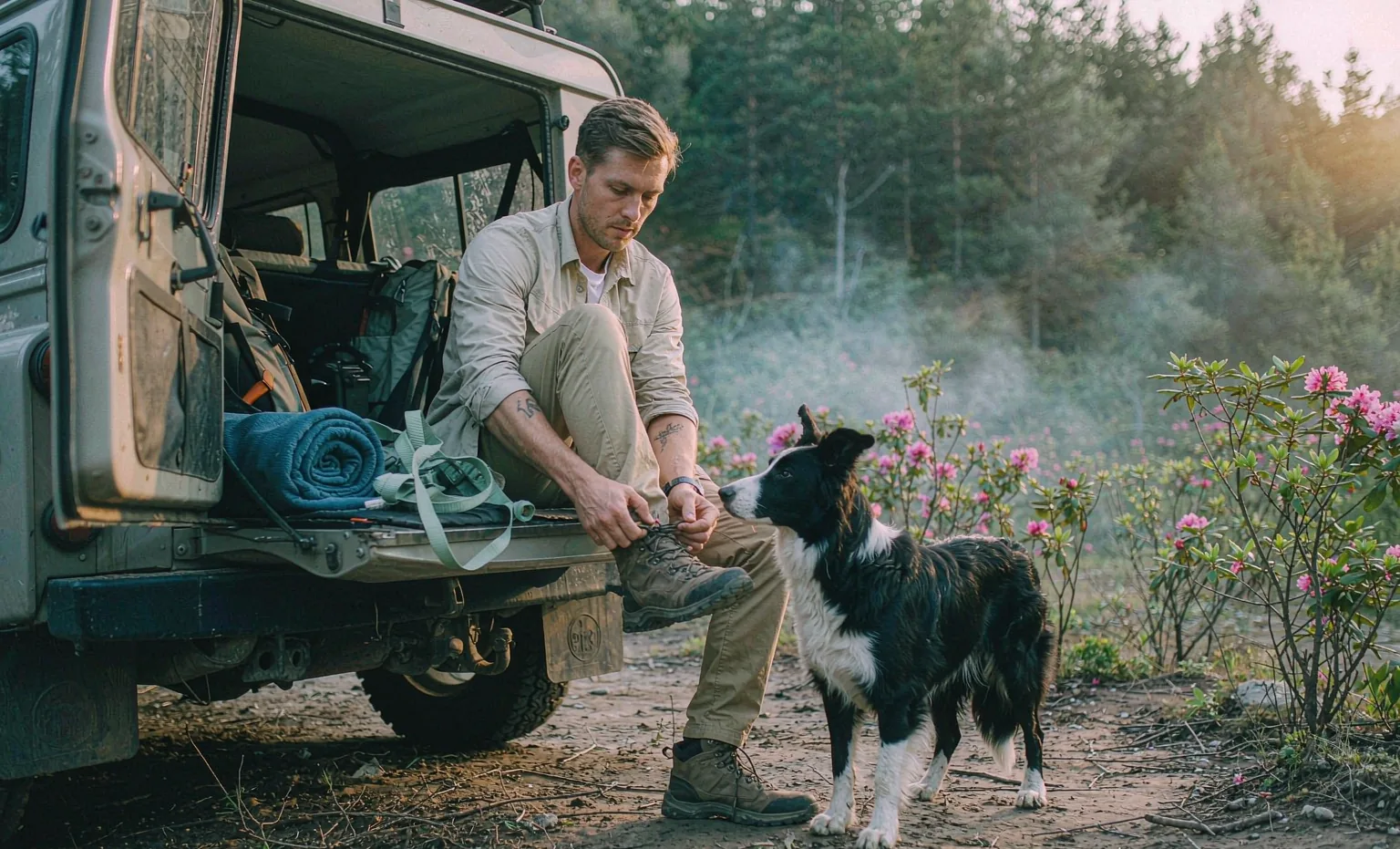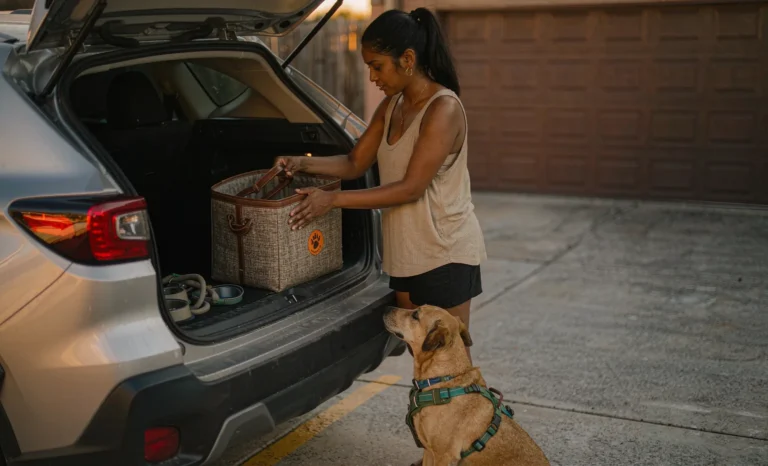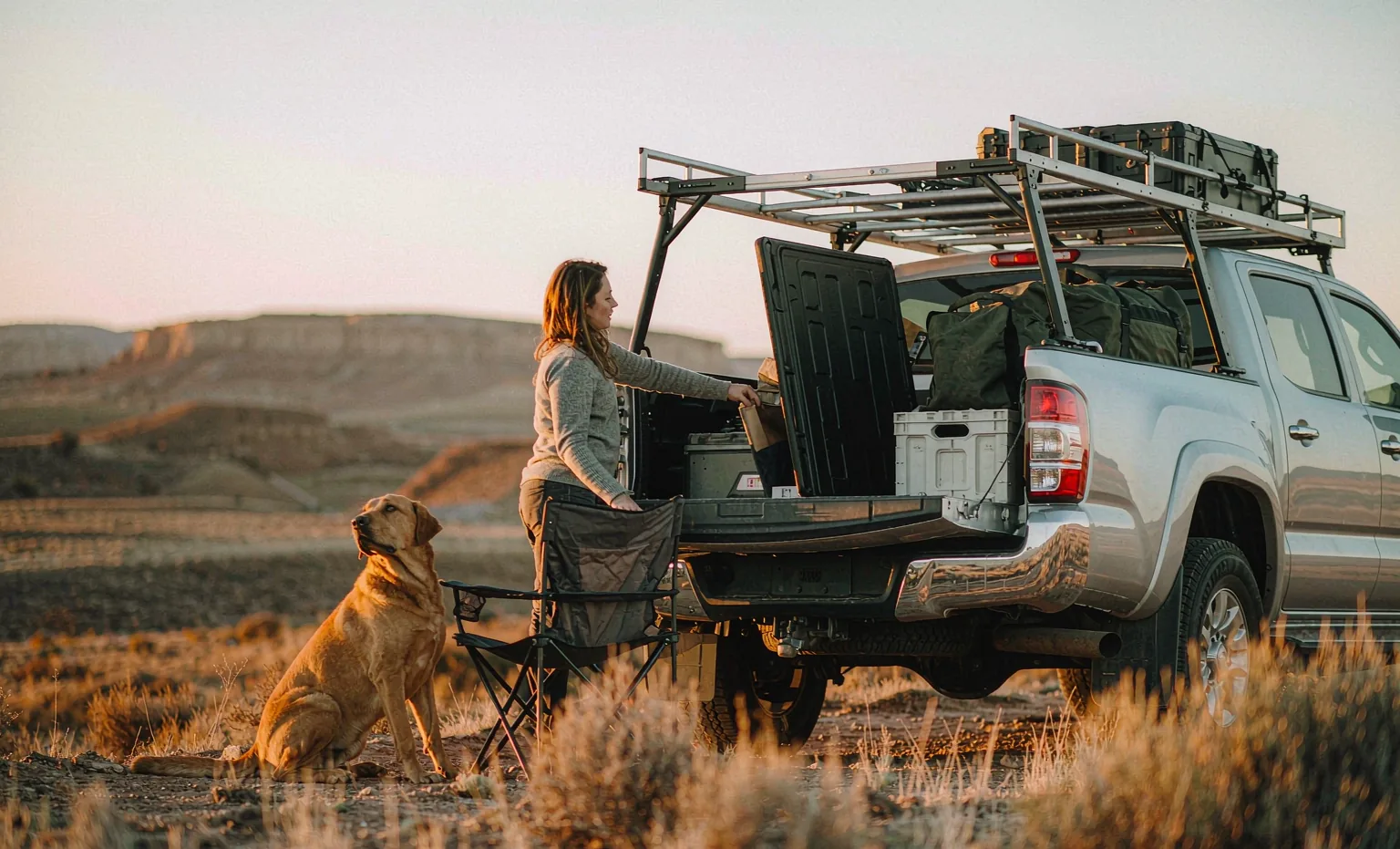
The first long drive I took with my dog, I packed like I was moving house. Three bags of things “just in case”, none of which I touched, and the two things I needed most were buried under all of it. The list below is the one I have arrived at after cutting repeatedly — organised in layers so the useful things are always on top.
A pet travel kit should make a journey easier, not turn the vehicle into a moving storage room. Whether you are driving across town, visiting family, heading to a trail, or preparing for a longer road trip, the right essentials are the ones that match your pet, your route, and your vehicle. A thoughtful kit also recognizes that no single accessory is right for every animal or every car.
This guide uses a planning-first approach. It separates items you may need before departure, during the drive, at the destination, and after the return. It also explains how to evaluate organization, cleanliness, comfort, and communication without inventing universal safety claims or legal requirements. Always follow the instructions provided with a product, your vehicle manual, and advice from a qualified veterinary professional when your pet has specific medical or behavioral needs.
The most useful question is not “What does every pet owner need?” It is “What does my pet and this trip require?” Answering that question helps you create a lighter, more dependable setup.
Begin with the trip profile
Short local journeys
A short drive may require only the basics: a suitable travel arrangement, a leash or harness for arrival, waste bags, and a way to provide water if needed. Even a brief journey benefits from a consistent loading process and an accessible clean-up item. The kit should be small enough that it does not remain scattered after every errand.
Outdoor destinations
A park, trail, beach, or open-air event may add mud, dust, water, heat, or uneven ground to the equation. Plan for the return trip as carefully as the outbound drive. A towel, a washable bag for used gear, and a plan for wet or dirty items can preserve the vehicle's interior and reduce stress when the day changes.
Longer drives
Longer travel requires more planning around pauses, food, water, waste, medications if prescribed, and changes in routine. Build an itinerary that leaves room for your pet's needs rather than treating every stop as an inconvenience. Keep supplies organized so that one item can be found without unloading the entire vehicle.
Shared or borrowed vehicles
When using a shared vehicle, focus on portable systems. A compact travel caddy can move between cars, while a short handoff note can communicate the basics to another driver. Confirm that every accessory is suitable for the specific vehicle and installed or used according to its instructions.
The core categories of a pet travel kit
Travel arrangement
Your first category is the way your pet occupies the vehicle. Depending on the animal and the vehicle, this may involve a carrier, a suitable harness or restraint arrangement, or a designated travel area. The correct choice depends on the pet's size, behavior, health, and the product's instructions. Never assume that a general accessory description answers every fit or use question.
The travel arrangement should allow the driver to focus on driving. It should not block controls, obscure visibility, create loose hazards, or encourage a pet to move unpredictably through the cabin. If you are uncertain about what is appropriate, consult the accessory maker and a qualified professional.
Identification and arrival control
The moment you arrive can be more active than the drive itself. A leash, harness, carrier handle, or other arrival item should be easy to locate before a door opens. Keep identification information current according to your normal care routine, and follow destination-specific instructions where applicable.
A simple habit helps: decide who will open the door, who will hold the leash or carrier, and where the pet will go next. This is particularly valuable at busy parking areas or unfamiliar locations.
Water and food planning
Water planning depends on trip duration, weather, activity, and your pet's normal routine. Carry a suitable container and enough water for the planned outing, but avoid assuming that every pet should drink or eat on the same schedule. For pets with health concerns, ask a veterinary professional about travel-related feeding and hydration.
Keep food in a closed, clearly identified container. Separate it from damp gear, cleaning supplies, and waste materials. If a trip involves a destination with limited access to supplies, include a modest reserve based on your route and the pet's needs.
Waste and clean-up
Waste bags are easy to overlook because they are inexpensive and compact, yet their absence can disrupt an otherwise simple trip. Keep a spare supply in a consistent location and carry used waste out of the vehicle promptly. A small closed trash solution can help until you reach an appropriate disposal point.
Clean-up also includes fur, mud, drool, spilled water, and wet gear. Choose cloths, towels, covers, or organizers that you can care for according to the manufacturer's instructions. A washable bag for used items keeps the rest of the kit cleaner.
Comfort items
Familiarity can help a pet settle. A known blanket, mat, or comfort item may be useful if it fits the travel arrangement and does not create a loose hazard. Keep comfort items clean and avoid packing more than the pet actually uses.
Comfort is not only about fabric. It includes a calm loading sequence, appropriate cabin conditions, reasonable trip length, and pauses that reflect the animal's needs. Products can support a routine, but they cannot replace observation.
Plan the kit in layers
Layer one: the always-ready base
The base is the group of items that supports the majority of trips. It might include arrival control, waste bags, one clean-up cloth, and a small organizational solution. Store the base where it can be reached without moving unrelated gear. Review it periodically and replace what is used.
Layer two: the destination add-on
The add-on changes with the outing. For a muddy trail, add a towel and used-gear bag. For a visit to a friend, add the mat or bowl your pet normally uses. For an appointment, include any materials specifically requested by the provider. Packing an add-on rather than leaving everything in the car keeps the base manageable.
Layer three: the longer-trip reserve
A longer trip may justify spare supplies and a more complete clean-up plan. Keep the reserve separate and label it so you can see when it has been opened. Avoid letting an emergency-minded reserve become a permanent pile of expired, damaged, or unsuitable gear.
This layered approach allows you to prepare for more situations without making every short journey feel like a relocation.
Choose organization that matches the vehicle
Passenger area
The passenger area should remain clear for people and should not be used as a loose storage surface. Small items can slide, spill, or become difficult to reach. Use only storage solutions that fit the vehicle and leave controls, visibility, and access unobstructed.
Cargo area
A cargo area may offer more room, but the same principle applies: organize rather than fill. A compartmentalized bag or stable container can separate clean supplies, arrival gear, and used textiles. Confirm that any item used in the cargo area is appropriate for the space and does not shift in a way that could create a distraction or hazard.
Trunk and exterior storage
Some vehicles offer additional storage areas, but heat, moisture, and exposure can affect what is suitable to leave there. Do not store food, medication, or heat-sensitive items in a location that may compromise them. Check each item's instructions and your vehicle manual.
Multiple vehicles
If the household uses more than one car, duplicate only the essentials or keep a portable kit. A duplicate kit can reduce forgetting, while a portable kit prevents unnecessary spending. Choose based on how often the vehicles are used and who is responsible for the reset.
Build a pre-drive checklist
A useful checklist is short enough to use. Consider these questions:
1. Where is the pet's designated travel area? 2. Is the arrival control item easy to reach? 3. Do I have the water and food needed for this trip? 4. Are waste bags and clean-up supplies available? 5. Does the pet appear ready to travel today? 6. Is the vehicle arranged so the driver can concentrate? 7. What will I need at the destination and for the return trip?
These prompts are not a substitute for professional or product-specific guidance. They are a memory aid for routine preparation. Adapt them as your trip, vehicle, and pet change.
Prepare for the return journey
Many travel plans are detailed on the way out and vague on the way back. That is when pets may be wet, tired, sandy, or more active than expected. Before leaving the destination, identify any used gear and place it in the designated washable bag. Use the clean-up items you packed, and keep the cabin arrangement consistent.
If the pet is uncomfortable, ill, unusually distressed, or showing signs that concern you, stop at a safe location and seek appropriate professional advice. Do not treat a general travel checklist as a diagnostic tool. The return route may need to be changed, shortened, or paused.
Seasonal planning without overpacking
Warm-weather outings
Hot conditions can change the demands of a trip. Plan around the weather and your route, keep water considerations in mind, and avoid leaving a pet unattended in a vehicle. For questions about heat sensitivity, travel timing, or a specific animal, consult a qualified veterinary professional.
Rain and mud
Rain creates a clean-up problem as much as a comfort problem. Pack one item for the pet and one way to contain the used item. A cover or mat may be useful when appropriate for the vehicle and maintained according to its instructions. The key is to make the return trip predictable.
Cold and wet conditions
Cold-weather travel can involve wet coats, muddy surfaces, and changing road conditions. Keep the pet's normal care needs in mind and prepare a dry, clean option for the vehicle. Do not assume that one blanket or garment is suitable for every pet; use professional guidance for special needs.
Questions to ask before selecting an accessory
Does it fit the actual vehicle?
Check dimensions, attachment points, seat shape, cargo layout, and the product's fit information. Never infer compatibility from a photograph or a general vehicle category. If a brand does not provide enough information, ask before buying.
Is it easy to clean?
Review the materials, removable parts, care instructions, and drying requirements. A product that is difficult to maintain may not fit an active pet's routine, even if its concept is attractive.
Will it be used often?
Consider how often the product solves a real problem. Frequent use can justify a dedicated solution, while occasional use may call for a portable or multipurpose item. Avoid selecting a product solely because it appears comprehensive.
Does it support the driver?
The accessory should not create distractions, block sightlines, interfere with controls, or encourage unsafe interaction while the vehicle is moving. Use it according to the instructions and assess the complete setup in your own vehicle.
Make a kit that people will actually use
The best kit is visible enough to remember but organized enough to stay tidy. Label compartments when several people share the vehicle. Keep a short inventory on a phone or note card. Replace consumables after each outing rather than waiting until a departure is already underway.
Try the kit on a normal day before relying on it for a longer trip. Notice whether loading is easy, whether you can find arrival gear, and whether used items have somewhere to go. A small trial often reveals more than a long shopping list.
Common packing mistakes
Packing for every imaginable event
Excess gear adds weight and clutter without necessarily improving the trip. Use the layered approach and pack for the actual route.
Ignoring used gear
A clean towel is useful only if a wet towel has a place to go afterward. Plan the full cycle from clean to used to washed.
Treating fitment as universal
A product may suit one vehicle and not another. Verify the actual vehicle, model, year, configuration, and use instructions when relevant.
Forgetting the driver
The human driver needs a clear, low-distraction environment. Organize pet supplies so the driver does not have to search, reach, or handle loose items while moving.
Test the kit before a longer journey
A kit can look complete on paper and still be awkward in practice. Use it on a normal local trip before relying on it for a longer drive. Notice how long it takes to load, whether the most important item is reachable, and whether the pet settles in the chosen travel zone. Ask another household member to find an item without assistance; this reveals whether labels and storage locations are clear.
After the trial, remove anything you did not use unless it serves a clear contingency purpose. Add only what the experience shows you need. This process keeps the kit grounded in your routine instead of in a generic list.
Check the product information
Before using a new accessory, read its instructions and inspect the actual item. Confirm how it attaches, whether parts are removable, how it should be cleaned, and which vehicle details must be verified. If the information does not answer a practical question, contact the maker before relying on the product.
Do not combine accessories in a way that changes their intended use without checking compatibility. A cover, organizer, carrier, or restraint may work differently when another item is placed over, under, or beside it. Review the complete arrangement rather than assessing each piece in isolation.
Plan for human handoffs
If a friend or family member may drive, prepare a short handoff note. Include the pet's normal loading sequence, where the arrival items are stored, what the destination plan is, and who should be contacted if the trip changes. Keep the note focused on practical information and individualized professional instructions where applicable.
A handoff is especially helpful when a vehicle is borrowed or when a pet travels with someone other than the usual caregiver. It reduces searching, protects the driver's attention, and makes the routine easier to repeat across vehicles.
Refresh the kit after changes
Review the kit when your pet grows, ages, gains or loses mobility, changes diet, or develops a different travel pattern. Review it when you buy a new vehicle, change seating arrangements, or begin visiting destinations with different conditions. A product that once fit the routine may need to be repositioned or replaced.
The goal is not to keep adding supplies. It is to keep the system accurate. Remove damaged, expired, or unused items and update the trip-specific add-ons so the base remains easy to manage.
FAQ
What is the most important pet travel essential?
There is no universal single item. Start with an appropriate travel arrangement, reliable arrival control, and the supplies needed for your pet and route. Product instructions and individualized professional guidance matter.
Should I keep water in the car all the time?
Water planning depends on storage conditions, trip frequency, weather, and your pet's needs. Store supplies in a way that protects them, and refresh or replace them according to the container and product instructions.
How do I keep pet gear from making the vehicle messy?
Separate clean, used, and destination-specific items. Use a stable organizer or caddy that fits your vehicle, remove used textiles promptly, and perform a brief reset after each outing.
Do I need a separate kit for every vehicle?
Not always. A portable kit can work well for occasional vehicle changes, while duplicate base supplies may be convenient for households that switch cars frequently. Choose based on your routine.
What should I do if my pet becomes distressed during a drive?
Prioritize safe driving. Stop only in an appropriate safe location, observe your pet, and seek professional advice if the reaction is severe, recurring, or medically concerning.
Prepare for the trips you actually take
How much water should I bring?
Plan roughly one litre per twenty pounds of dog per day of travel, then double it in warm weather. It sounds absurd until you are on a stretch of road with no shade and no service.
Should I feed my dog on a driving day?
A light meal several hours before departure, then nothing substantial until you stop. It is not about carsickness for every dog, but for the ones it does affect, travelling on a nearly empty stomach is the only reliable fix anyone has found.
Read next: the 20-minute load-out · six hours to the coast · travel bowls. Start from Drive Together for the everyday rides, or the Gear Lab to compare before you buy.