The Ram is the truck that makes a tailgate a room. There is seat room inside, load room behind, and a bed that swallows a crate, a cooler and the fold-out chair you only pretend you do not use. For dog owners that adds up to one big advantage: the dog is never the last thing you sort out at the end of the night.
Set up once, unpack once
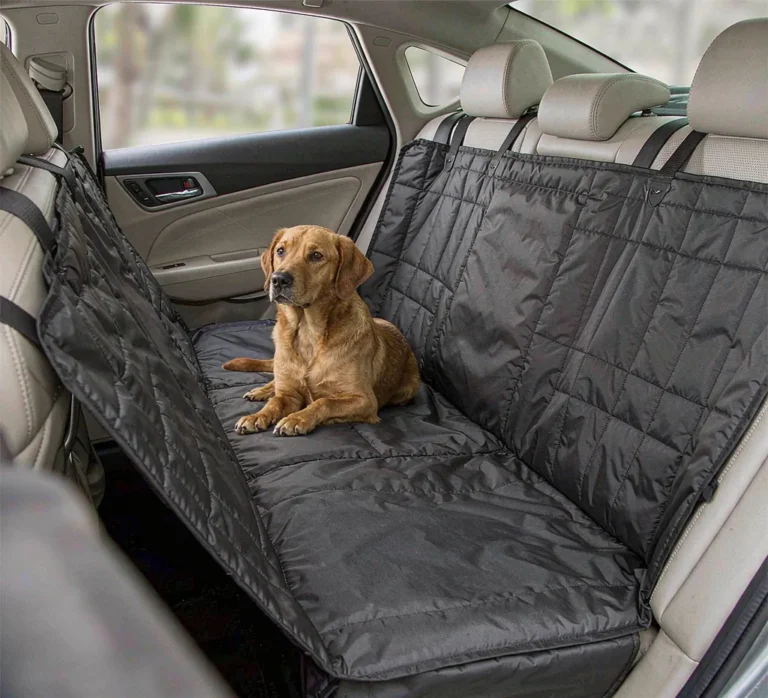
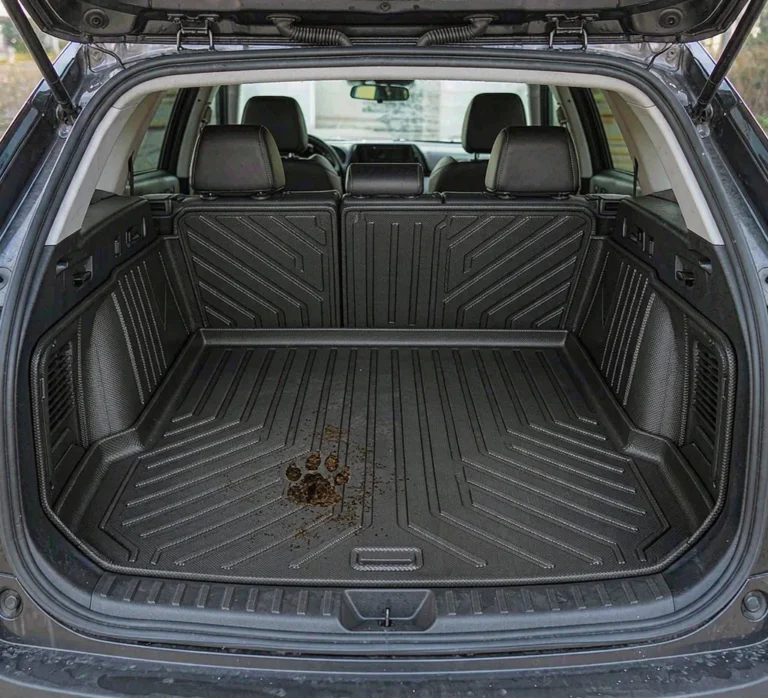
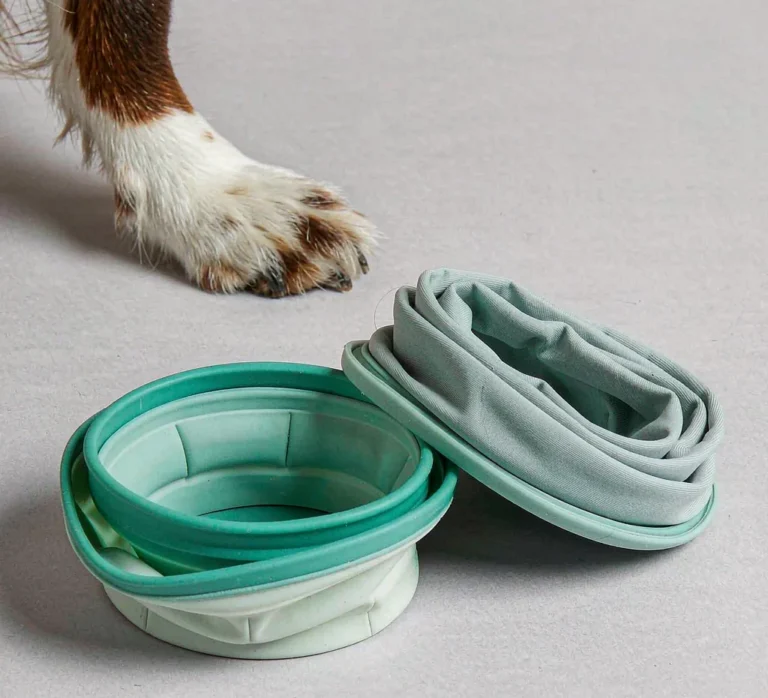
The trick with a truck like this is to have one zone for the dog that stays put all weekend. Liner down in the bed, crate or hammock in the cab, bowl at the tailgate. Do it once on Friday and you will not re-pack at midnight.
Camp nights with a dog in the cab
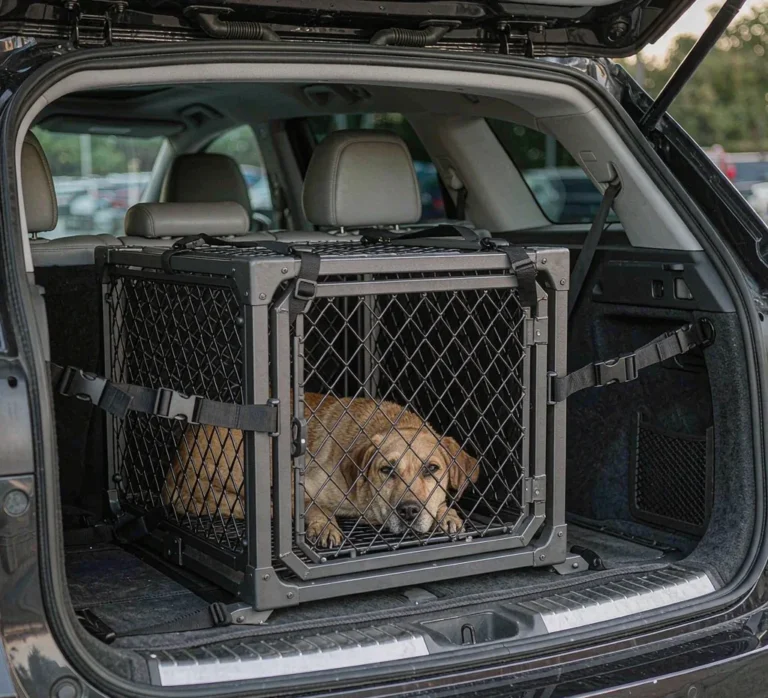
Night is when dogs get restless and when a truck is quietest. A crate in the cab means the dog is near you and out of the wind; a soft-sided carrier works for the times you want them under the tailgate window with the air moving through. Either way, water first, walk second, and a leash that the torch beam can find.
What to watch on a hot bed
- Sand and grit on the tailgate lip — a liner earns its keep
- Damp from dew, especially in spring campgrounds
- Headlights on the bed at night, if a crate sits on the floor
- Wind in the cab after a long day, which cools fast but dries noses
Fitment, honestly
We are still collecting fitment data for the Ram, and we will not publish numbers we cannot stand behind. Measure the rear seat width and depth, check the bed length with the tailgate up, and match those figures against the published crate and liner dimensions. If your build sits between two crate sizes, take the smaller one and use the cargo liner for the extra room — the fit is what keeps a dog calm.
Before you go
- Reinforced vehicle dog crate, strapped and anchored
- Waterproof hammock seat cover for the rear bench
- TPE cargo liner for the bed
- Collapsible travel bowl, two-pack